Uniwest Aero Hub
Have queries on this Project?
Uniwest Aero Hub Overview
Uniwest Aero Hub Location
28.306234
77.554966
Uniwest Aero Hub Near By Projects
 Newly Launched
ACE Arte
Sector 150, Noida
₹17,000/sqft
.jpg&w=3840&q=75) Newly Launched
Newly LaunchedCrown Residences At Godrej Golf Links
Sector 27, Greater Noida
₹17,000/sqft
 Newly Launched
Sobha Rivana
Sector 1, Greater Noida West
₹14,880/sqft
 Newly Launched
Max Estate 105
Sector 105, Noida
₹27,000/sqft
 Newly Launched
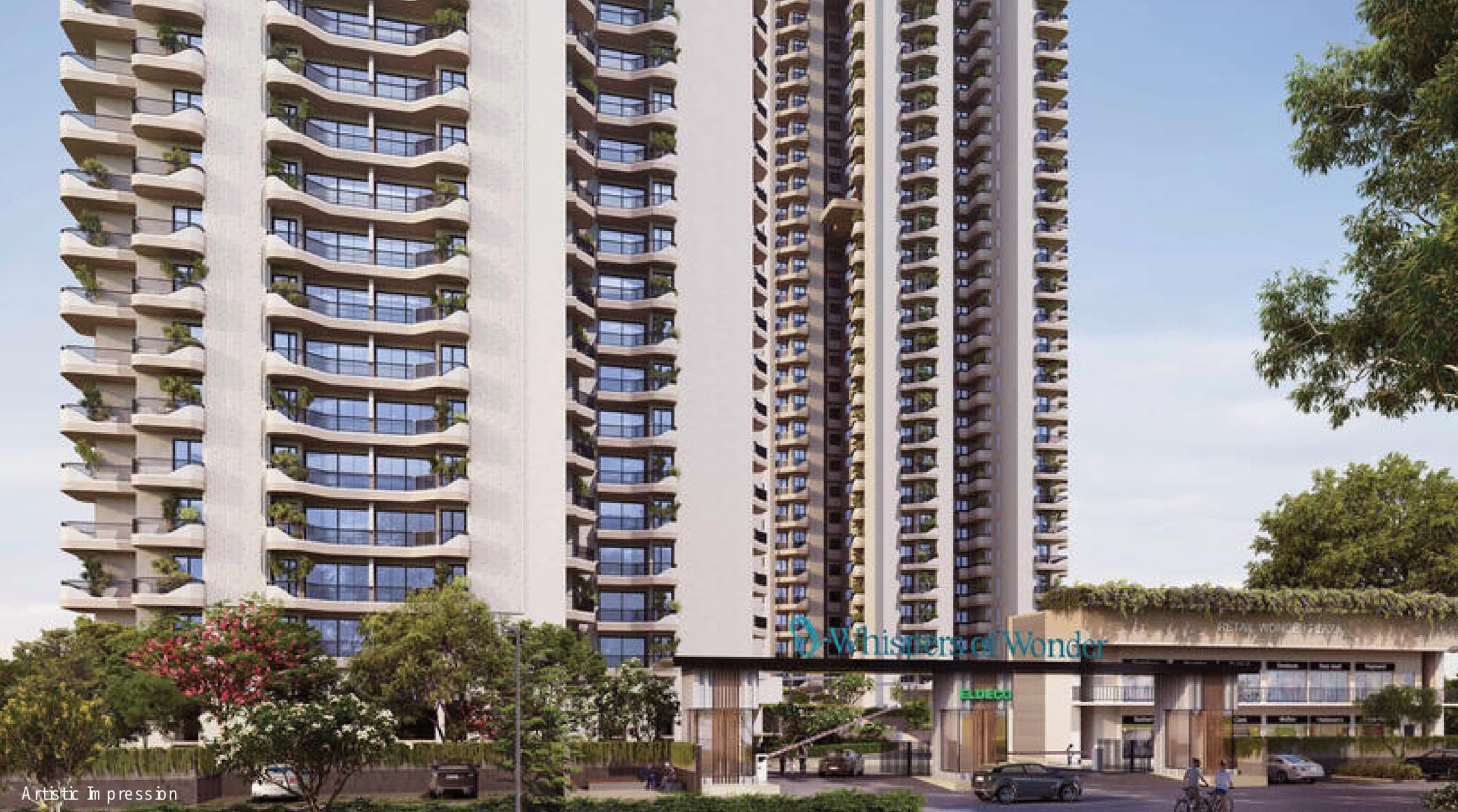
Eldeco Echoes Of Eden
Sector 22D, Yamuna Expressway
₹9,300/sqft
 Newly Launched
Arihant Seasons
Sector 22D, Yamuna Expressway
₹9,000/sqft
 Newly Launched
VVIP Yamuna
Sector 22D, Yamuna Expressway
₹9,000/sqft
 Newly Launched
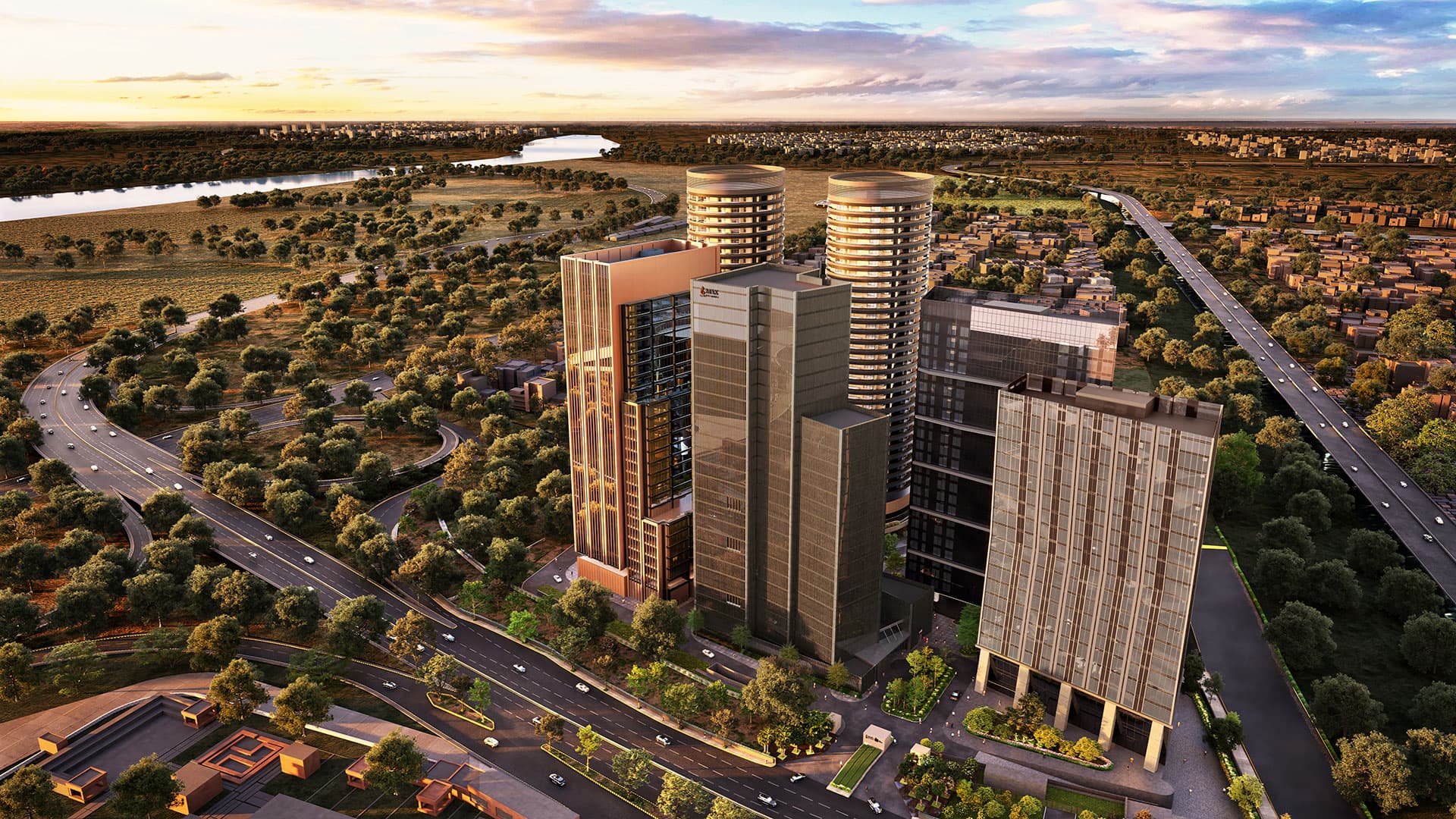
Max One
Sector 16B, Noida
₹38,000/sqft
 Newly Launched
Eldeco 7 Peaks Residences
Sector Omicron 1A, Greater Noida
₹13,000/sqft
 Newly Launched
Experion Saatori
Sector 151, Noida
₹16,500/sqft
Uniwest Aero Hub Land Details
Showing 1 blocks with 41 units
Property Summary
Total Carpet Area
2883.00 m²
31032.32 ft²
Total Units
126
3 different types
Blocks & Floors
1
10 floors across all blocks
Parking
0
0 garages, 0 open
Block UNIWEST AERO HUB
41 unitsUniwest Aero Hub Documents
Uniwest Aero Hub Permits
Uniwest Aero Hub Basic Details
Uniwest Aero Hub Bank Details
Uniwest Aero Hub Khasra Details
Total Area
1804.00 m²
19418.08 ft²
Uniwest Aero Hub Project Team
Uniwest Aero Hub Development Works
Demarcation of Plots
The Site is located KH-112, VILLAGE-MIRJAPUR PARGANA DANKAUR TH- GAUTAM BUDDH NAGAR,DISTT- GAUTAM BUDDH NAGAR between Latitude 28_1822"N 77_3317"E. The general topographical features of the area reveal that the proposed project site and its surroundings is generally a plain land with gentle slope. The soil nature observed is generally alluvial soil. The land around the project site indicates a mixed land use pattern. There are residential Apartments, villas, and commercial Establishments surrounded by areas like Supertech Aerocaity, Gaur Galleria etc. The project site is a vacant land. Transportation : The project site is located at 290M from GYC Exit point at Yamuna Expressway. Agricultural Lands : Mixed land with agricultural lands are seen in the surrounding area
Boundary Wall
The boundary wall of a commercial project serves as a crucial element for security, privacy, and aesthetic appeal. Designed to create a clear demarcation of the property, it enhances safety while contributing to the overall visual identity of the development. Key Features: Security & Protection: Built with durable materials like RCC, brick, or precast concrete, ensuring robust protection against unauthorized access. Aesthetic Appeal: Can be customized with decorative elements, cladding, or branded signage to enhance the projects identity. Height & Design: Typically ranges from 6 to 10 feet, incorporating security features like barbed wire, electric fencing, or CCTV integration. Weather Resistance: Designed to withstand environmental conditions with weatherproof coatings and anti-corrosion treatments. Access Control: Integrated with entry gates, security cabins, and pedestrian pathways for controlled access. A well-designed boundary wall not only strengthens security but also adds to the commercial project’s prestige, ensuring a professional and inviting first impression.
Road Work
Road infrastructure in a commercial project plays a critical role in ensuring smooth vehicular and pedestrian movement, enhancing accessibility, and improving overall safety. It is designed to accommodate high traffic loads while maintaining durability and aesthetics. **Key Features:** - **Road Type & Material:** - Constructed using **bituminous asphalt**, **reinforced concrete (RCC)**, or **interlocking pavers**, depending on traffic intensity. - Heavy-duty roads for logistics and loading areas, while decorative paver roads for pedestrian-friendly zones. - **Width & Lane Marking:** - Standard road widths range from **6m to 12m** for internal roads and **15m to 24m** for main access roads. - Markings for **lane division, pedestrian crossings, parking bays, and direction signs** for traffic regulation. - **Drainage System:** - Proper **stormwater drainage channels**, curbs, and catch basins to prevent water accumulation and road damage. - **Lighting & Safety Features:** - **Streetlights**, reflectors, and illuminated signage for visibility at night. - **Speed breakers, bollards, and traffic signals** for traffic control and pedestrian safety. - **Entry & Exit Planning:** - Well-defined **ingress and egress points** to avoid congestion, with dedicated service lanes where necessary. - **Landscaping & Urban Integration:** - Green buffers, tree-lined avenues, and sidewalks for aesthetic enhancement and environmental benefits. A well-executed roadwork plan in a commercial project ensures **seamless traffic flow, increased safety, and long-term durability**, contributing to an efficient and organized commercial space.
Footpaths
The footpath in a commercial project is a vital urban element that enhances pedestrian accessibility, safety, and aesthetics. It is designed to accommodate high foot traffic while ensuring durability and compliance with urban planning standards. Key Features: Material & Finish: Constructed using high-quality materials like concrete pavers, natural stone, RCC, or interlocking tiles to ensure strength and longevity. Width & Accessibility: Typically ranges from 1.5 to 3 meters to allow smooth pedestrian movement, with provisions for wheelchair accessibility as per ADA (Americans with Disabilities Act) or local regulations. Surface Texture: Non-slip and even surfaces to ensure pedestrian safety, reducing the risk of slips and falls. Drainage System: Proper slope and drainage channels to prevent waterlogging and enhance walkability during rains. Lighting & Security: Integrated with streetlights, bollard lights, and CCTV cameras to improve safety, especially at night. Green Elements: Incorporation of tree pits, planters, or landscaping to enhance aesthetics and provide shade. Urban Furniture: Benches, dustbins, and signage for convenience and organized public space utilization. A well-planned footpath in a commercial project ensures seamless pedestrian flow, enhances the projects appeal, and contributes to a well-structured urban environment.
Water Supply Including Drinking Water Facilities
The most important aspect under the water supply scheme is the selection of source of water, which should be reliable and potable. The project being a commercial development with office space and retail activities, water demand is for domestic purpose, public uses and firefighting purposes. It includes the quantity of water required for drinking, flushing, land scaping etc. The quantity of water required depends on the habits, social status and climatic conditions. In India on an average the water requirement for commercial establishment is 45 LPCD. The anticipated water demand is worked out by taking into consideration that the project is fully developed. 2.22: Water Consumption of the Proposed Project: Sl. No. Occupants Area excluding car parking Total No. of occupants considering 1 person per 10 sq.m Water required considering 45 LPCD 1 Occupants 5000 M2 500 22,500 2 Visitors per day -- 1000 Nos. 15000 (15Ltrper visitor) 3 Total water consumption per day 37,500 Ltrs. From the above demand, about 80% of water converts into sewage which amounts to 30000 Ltrs. Hence a sewage treatment plant of 30 KLD is proposed. 2.33: Quality & Portability of Available Water Source: The quality of water from the source of origin is good and only disinfection is envisaged. After the treatment of the water, it is distributed through a net work of distribution system. The distribution system consists of pipes of various sizes, valves, meters, pumps and hydrant valves. The valve provided in the distribution network will control flow of water through the system. Fire hydrants are provided to connect water to fire-fighting equipment during fire. 2.44: Waste Water Discharge Details: Wastes of different types such as spent water from toilets, water closets, semi liquid waste of human excreta are produced daily. If proper arrangements for collection, treatment and disposal of the wastes produced are not made, unsanitary conditions will develop and it will become impossible for the public to live. Therefore, it is most essential to collect, treat and dispose all the sanitary waste produced. Generally 80% of the water supplied comes out as sewage. Therefore, the total quantity of waste water generated from the proposed project is worked out as below: Total water demand for the proposed project 37500 Liters. Waste water generated from the project (assuming waste water generation to be about 80% of the total water) 30000 Liters Say 30 KLD 2.55: Water Saving Practices & Methods: Many measures can be adapted to reduced water demand through use of water efficient practices and devices; these would result in significant saving of water. Some of the common practices and devices than can save water are given below. a) Water conserving flushing fixtures operating on sensors shall be used for urinals. b) Dual flushing cistern, low flow fixtures and faucets shall be used. c) Water closet with low volume flushing cistern/flush valve shall be used. d) Water conserving means like pop-up sprinklers, drip irrigation etc shall be employed to irrigate the land-scape areas. e) Stored rain water shall be used for domestic purposes after necessary treatment
Sewer System
The proposed commercial development will be constructed by adopting the following green concepts. a) Dual flushing system & low flow water saving fixtures. b) 100% reuse of waste water treated on site. c) Rain water storage and its reuse on site. d) Reducing the impervious cover by using perforated pavement system. e) Variable speed fans on AHU, Heat recovery, free cooling and CFC free efficient chiller and cooling tower. 2.77: Design Details of Proposed Treatment Plant: Design Details of STP: Total Plinth Area Total area excluding car parking 5000 Sq.m 5000 Sq.m Number of occupants @ 1 person/ 10 m2 500 Water consumption @ 45 Liters/head 22,500 Number of visitors per day 1000 Water consumption @ 15 Liters/visitor 15000 Total water consumption in the complex 37,500 Waste water generation (80% of water consumption) 30,000 Liters Quantity of sewage water (30% of wastewater quantity) 9000 Liters/Hour Quantity of sullage water (70% of wastewater quantity) 21000 Liters/hour Capacity Proposed = 30KLD SEWAGE TREATMENT PLANT FOR THE COMMERCIAL COMPLEX
Drain
A. Stormwater Drainage System This system is designed to handle rainwater and surface runoff, preventing water accumulation in parking lots, roads, and open spaces. ?? Components: Stormwater drains: Underground pipelines that collect rainwater. Catch basins: Collects debris and sediment to prevent clogging. Perforated pipes & French drains: Help in managing surface runoff. Rainwater harvesting pits: Allow groundwater recharge and water conservation. ?? Key Considerations: Designed with a minimum slope of 1-2% for smooth flow. Use of grates and filters to prevent debris entry. Proper discharge into municipal storm drains or natural water bodies. B. Wastewater Drainage System (Sewage System) This system handles water from toilets, kitchens, and commercial activities, directing it to treatment plants. ?? Components: Sewer pipes (PVC, RCC, or HDPE): Transport wastewater to the municipal sewer. Inspection chambers: Installed at every 30-50m for maintenance access. Manholes: Allow for easy cleaning and repair. Grease traps (for restaurants and hotels): Prevent oil and grease buildup. Effluent Treatment Plants (ETP) or Sewage Treatment Plants (STP): Treat wastewater before discharge. ?? Key Considerations: Separate sewage lines and stormwater drains to avoid contamination. Use vent pipes to eliminate foul odors. Ensure compliance with environmental regulations for safe disposal. C. Surface Drainage System Designed to remove excess water from roads, pavements, and landscaped areas. ?? Components: Open drains: Channels along roads and walkways to direct runoff. Curbs and gutters: Collect water and redirect it to underground drains. Grated trenches: Installed in high-traffic zones to avoid water pooling. ?? Key Considerations: Proper grading and slope to direct water efficiently. Anti-slip and corrosion-resistant materials for safety and durability. D. Subsurface Drainage System This system helps remove excess groundwater that may cause soil instability or waterlogging. ?? Components: Perforated pipes: Installed underground to collect and divert water. Gravel trenches: Improve filtration and water movement. Pumping stations: Used in low-lying areas to transport water efficiently. ?? Key Considerations: Essential for basements, underground parking, and landscaped areas. Prevents foundation weakening and structural damage. 2. Drainage System Materials & Construction Details Materials Used: Component Material Options Pipes RCC, PVC, HDPE, Cast Iron Manhole Covers Cast Iron, Precast Concrete Drainage Channels Polymer Concrete, FRP Grates & Filters Galvanized Steel, Stainless Steel Standard Pipe Sizes: Sewer Lines: 150mm - 600mm (depending on load) Stormwater Drains: 300mm - 1000mm Subsurface Drains: 100mm - 300mm Gradient & Slope Design: Stormwater Drains: Minimum 1% slope for smooth flow. Sewer Lines: 2% gradient to prevent stagnation. Surface Drains: Graded towards catch basins at low points. 3. Maintenance & Safety Measures Regular Inspections: Check for blockages, cracks, or sediment buildup. Cleaning Schedule: Periodic jet-cleaning of pipes and basins. Safety Covers: Ensure all manholes and drains are properly covered. Anti-Flood Measures: Install backflow preventers in flood-prone areas. Conclusion A robust drainage system in commercial projects ensures: ? Efficient water management to prevent flooding. ? Environmental sustainability with proper treatment & disposal. ? Compliance with local municipal & safety standards. This system enhances property longevity, hygiene, and operational efficiency—making it a critical part of commercial infrastructure planning. ????
Parks
NOT PROVIDED
Tree Planting
Tree plantation is an essential aspect of **sustainable commercial projects**, enhancing aesthetics, improving air quality, and promoting biodiversity. A well-planned green landscape **boosts property value, reduces heat islands, and aligns with environmental regulations.** --- ## **1. Benefits of Tree Plantation in Commercial Projects** ? **Aesthetic Appeal & Branding:** Enhances the visual identity of the project, creating an inviting and premium atmosphere. ? **Environmental Benefits:** Improves air quality, reduces pollution, and contributes to carbon sequestration. ? **Temperature Regulation:** Trees provide shade, reducing cooling costs and urban heat effects. ? **Rainwater Management:** Tree roots help with water absorption, preventing soil erosion and flooding. ? **Noise Reduction:** Acts as a natural sound barrier, reducing noise pollution from traffic and commercial activities. ? **Well-Being & Productivity:** Creates a healthier and more pleasant environment for employees, customers, and visitors. --- ## **2. Key Tree Plantation Areas in Commercial Projects** ### ?? **Entrance & Driveways** - Trees like **Gulmohar, Ashoka, or Silver Oak** provide an elegant first impression. - Decorative shrubs and flowering plants enhance the landscape. ### ?? **Parking Lots & Open Spaces** - Shade trees like **Neem, Peepal, and Banyan** help reduce heat absorption in paved areas. - Planter boxes with medium-sized trees can be installed along parking lanes. ### ?? **Walkways & Footpaths** - Lining pathways with **fragrant and flowering trees** (e.g., **Plumeria, Champa, or Amaltas**) enhances the pedestrian experience. - Proper spacing between trees ensures unobstructed movement. ### ?? **Building Periphery & Courtyards** - Small to medium-sized trees like **Bottlebrush, Ficus, or Kachnar** provide greenery without overpowering the space. - Vertical gardens or creepers can be used where space is limited. ### ?? **Green Buffers & Rainwater Harvesting Areas** - Trees planted around **drainage zones** and **rainwater harvesting pits** enhance water absorption. - Native species with deep roots prevent soil erosion and improve groundwater recharge. --- ## **3. Selection of Trees for Commercial Projects** | Category | Recommended Trees | Benefits | |------------|--------------------|------------| | **Shade Trees** | Neem, Peepal, Banyan, Silver Oak | Reduces heat, absorbs pollution | | **Avenue Trees** | Gulmohar, Ashoka, Jacaranda, Amaltas | Enhances visual appeal | | **Fast-Growing Trees** | Eucalyptus, Subabul, Drumstick | Provides quick green cover | | **Ornamental Trees** | Bottlebrush, Plumeria, Kachnar | Adds beauty with flowers & foliage | | **Evergreen Trees** | Ficus, Areca Palm, Mahogany | Maintains greenery year-round | --- ## **4. Tree Plantation Guidelines & Maintenance** ?? **Spacing & Planting Distance:** - **Large trees:** 6-10m apart - **Medium trees:** 3-5m apart - **Small trees & shrubs:** 1-2m apart ?? **Watering & Irrigation:** - Drip irrigation for efficient water use. - Regular watering in dry seasons. ? **Pruning & Maintenance:** - Periodic trimming to maintain shape and health. - Removal of dead branches to avoid safety hazards. ?? **Soil & Fertilization:** - Use organic compost for healthier growth. - Mulching helps retain soil moisture. ? **Protection Measures:** - Tree guards to protect saplings from damage. - Pest control treatments if required. --- ## **5. Sustainability & Compliance** ?? **Regulatory Requirements:** Many urban areas have mandates for tree plantation in commercial zones. ? **Green Certifications:** Projects with tree plantations may qualify for **LEED, GRIHA, or IGBC** certification. ?? **Carbon Footprint Reduction:** A well-planned green cover contributes to sustainable development goals (SDGs). --- ### **Conclusion** A well-executed tree plantation plan in commercial projects **enhances environmental sustainability, creates a pleasant atmosphere, and boosts property value.** ???? Proper selection, placement, and maintenance ensure long-term benefits for both the project and the community.
Design For Electric Supply Including Street Lighting
A well-planned **electric supply system** is crucial for the efficient functioning of a commercial project, ensuring **uninterrupted power, safety, and sustainability**. Additionally, an effective **street lighting system** enhances security, aesthetics, and energy efficiency. --- ## **1. Components of the Electrical Supply System** ### **A. Power Supply Source** - **Main Grid Connection:** Primary power supply from the local utility provider. - **Substations & Transformers:** Convert high-voltage supply to usable commercial voltage levels (e.g., **33kV to 11kV, then to 415V/230V**). - **Backup Power:** Diesel generators (DG sets) and UPS systems for uninterrupted power during outages. - **Renewable Energy Integration:** Solar panels for sustainable energy solutions. --- ### **B. Distribution Network** - **Underground Cabling (Preferred):** Ensures safety, reliability, and aesthetics. - **Overhead Lines (if applicable):** Used in budget-friendly setups but prone to damage. - **Distribution Panels & Circuit Breakers:** Installed for load management and safety. - **Smart Metering System:** Allows energy monitoring and efficient billing. --- ### **C. Electrical Load Considerations** | Area | Power Requirement (Approx.) | |--------------|----------------------| | Commercial Spaces (Shops/Offices) | 5-10 kW per unit | | HVAC Systems | 50-100 kW for large spaces | | Parking & Street Lighting | 5-15 kW | | Elevators & Escalators | 10-50 kW | | Emergency & Security Systems | 5-10 kW | --- ## **2. Street Lighting System** ### **A. Types of Street Lights** - **LED Street Lights (Energy Efficient) – 30W to 150W** - **Solar-Powered Street Lights (Sustainable Option)** - **Smart Street Lights (IoT-based for automated control)** - **High Mast Lighting (For parking lots & large open areas)** --- ### **B. Street Light Design & Placement** | Location | Pole Height | Distance Between Poles | Light Intensity | |------------|------------|----------------------|----------------| | Internal Roads | 6-8 meters | 20-30 meters | 30-60 lux | | Main Roads | 10-12 meters | 30-50 meters | 80-120 lux | | Parking Areas | 8-10 meters | Based on layout | 40-80 lux | | Pedestrian Walkways | 4-6 meters | 15-20 meters | 10-30 lux | --- ### **C. Street Light Control System** - **Automatic Timers & Sensors:** Adjust brightness based on time & traffic. - **Motion Sensors:** Reduce energy consumption in low-traffic hours. - **Solar Battery Backup:** Ensures operation during power failures. --- ## **3. Safety & Maintenance Considerations** ? **Earthing & Grounding:** Prevents electrical hazards. ? **Circuit Protection:** MCBs (Miniature Circuit Breakers) & RCCBs (Residual Current Circuit Breakers) for fault prevention. ? **Regular Inspections:** Routine checks on wiring, poles, and fixtures. ? **Emergency Lighting:** Backup LED lights in key areas. --- ### **Conclusion** A well-designed **electrical and street lighting system** ensures **safety, efficiency, and sustainability** in a commercial project. **Using LED and solar-powered solutions** significantly reduces energy costs while enhancing reliability. ?????
Community Buildings
NO
Treatment and Disposal System of Sewage and Sullage water
A well-planned **sewage and sullage (greywater) treatment system** is essential for maintaining hygiene, protecting the environment, and ensuring compliance with government regulations. Proper treatment and disposal help in **water conservation, pollution control, and sustainable development** in commercial projects. --- ## **1. Understanding Sewage & Sullage Water** ?? **Sewage Water**: Wastewater from **toilets, urinals, and drainage lines** that contains organic waste, bacteria, and harmful pathogens. ?? **Sullage (Greywater)**: Wastewater from **sinks, showers, kitchens, and laundry** that is less contaminated than sewage and can be recycled after treatment. --- ## **2. Sewage Treatment System (STP) in Commercial Projects** A **Sewage Treatment Plant (STP)** is necessary for processing wastewater before discharging it into municipal drains, water bodies, or for reuse in landscaping and flushing. ### **A. Treatment Stages in an STP** 1?? **Preliminary Treatment (Screening & Grit Removal)** - Removes large debris, plastics, and sand particles. - Uses **bar screens** and **grit chambers**. 2?? **Primary Treatment (Sedimentation)** - Heavy solids settle at the bottom as **sludge**. - Oils and grease are separated. 3?? **Secondary Treatment (Biological Treatment)** - **Activated Sludge Process (ASP):** Uses bacteria to break down organic matter. - **Sequential Batch Reactor (SBR):** Treats wastewater in batches for high efficiency. - **Moving Bed Biofilm Reactor (MBBR):** Uses biofilm carriers to increase microbial activity. 4?? **Tertiary Treatment (Filtration & Disinfection)** - **Sand & carbon filters** remove fine particles and odors. - **Chlorination or UV disinfection** kills harmful bacteria. 5?? **Sludge Treatment & Disposal** - **Dewatering & composting** to convert sludge into fertilizer. - **Safe landfill disposal or incineration** for hazardous waste. --- ## **3. Sullage (Greywater) Treatment System** Since **greywater is less contaminated**, it can be treated separately and reused for non-potable purposes. ### **Greywater Treatment Methods** - **Sedimentation & Filtration**: Removes suspended solids. - **Biological Treatment**: Uses bio-filters or constructed wetlands. - **Disinfection (Chlorination/UV Treatment)**: Makes water safe for reuse. ### **Reusing Treated Greywater** ? Flushing toilets ? Irrigation & landscaping ? Cooling tower makeup water ? Cleaning & washing purposes --- ## **4. Disposal & Compliance Standards** - **Treated sewage should meet CPCB (Central Pollution Control Board) standards** before discharge into municipal drains or natural water bodies. - **Effluent BOD (Biochemical Oxygen Demand) must be =10 mg/L** for safe disposal. - **Recycling of treated water** is encouraged under IGBC (Indian Green Building Council) and LEED certifications for sustainable projects. --- ## **5. Sustainability & Smart Water Management** - **Rainwater Harvesting + STP** for complete water management. - **Smart STP Systems** with IoT-based monitoring for efficiency. - **Solar-powered STPs** for reduced operational costs. --- ### **Conclusion** A **robust sewage and sullage treatment system** in commercial projects ensures **environmental protection, regulatory compliance, and water conservation**. Efficient treatment and **reuse of greywater** contribute to sustainability, reducing the overall water footprint of the project. ??????
Solid Waste Management And Disposal System
Effective **solid waste management** in commercial projects ensures **cleanliness, environmental sustainability, and regulatory compliance**. A well-planned waste disposal system reduces pollution, promotes recycling, and minimizes landfill waste. --- ## **1. Types of Solid Waste in Commercial Projects** | **Category** | **Sources** | **Examples** | **Disposal Method** | |-------------|------------|-------------|------------------| | **Biodegradable Waste** | Restaurants, canteens, landscaping | Food scraps, garden waste, paper | Composting, biogas | | **Recyclable Waste** | Offices, shops, packaging units | Plastic, glass, metals, paper | Recycling plants | | **E-Waste** | IT offices, malls, electronics stores | Batteries, computers, wires | Authorized e-waste recyclers | | **Hazardous Waste** | Laboratories, healthcare centers | Chemicals, paints, expired medicines | Incineration, hazardous waste disposal sites | | **Construction & Demolition Waste** | Site development, renovation | Concrete, bricks, debris | Reuse, C&D waste recycling | --- ## **2. Solid Waste Management Process** ### **A. Waste Collection & Segregation** ? **Color-Coded Dustbins:** - **Green (Organic Waste)** – Biodegradable food & garden waste. - **Blue (Dry Waste)** – Recyclables like plastic, metal, glass, and paper. - **Red (Hazardous Waste)** – Chemical, e-waste, medical waste. - **Yellow (Biomedical Waste)** – Disposed according to government norms. ? **On-Site Waste Sorting Units**: - Sorting at the source helps **reduce landfill waste** and increase recyclability. - **Waste chutes & compactors** for large commercial buildings. --- ### **B. Waste Storage & Transportation** - **Segregated waste storage rooms** for temporary collection. - **Waste collection vehicles (municipal/private)** for transportation. - **GPS-tracked waste disposal systems** for smart monitoring. --- ### **C. Waste Processing & Recycling Methods** 1?? **Organic Waste Treatment (Composting/Biogas)** - **Composting Units**: Convert food & garden waste into manure. - **Biogas Plants**: Generate renewable energy from decomposed waste. 2?? **Recyclable Waste Processing** - **Paper, plastic, and glass waste sent to recycling plants**. - **E-waste handled by authorized recyclers**. 3?? **Hazardous & Biomedical Waste Treatment** - **Incineration** for safe disposal. - **Chemical neutralization** for liquid waste. --- ## **3. Final Waste Disposal Methods** ? **Landfilling (For non-recyclable waste)** ? **Waste-to-Energy Plants (For combustible waste)** ? **Incineration (For medical & hazardous waste)** ? **Reuse in Construction (For demolition debris & concrete waste)** --- ## **4. Compliance & Sustainability** - **Solid Waste Management Rules, 2016** compliance in India. - **Green Building Certifications (LEED, IGBC) promote waste reduction.** - **Zero Waste Initiatives** for sustainable commercial projects. --- ### **Conclusion** A **structured solid waste management system** in commercial projects ensures a **clean, eco-friendly, and compliant** environment. Implementing **waste segregation, recycling, composting, and energy recovery** helps create a **sustainable and efficient waste management cycle**. ????
Water Conservation System
Water conservation in commercial projects is crucial for **sustainability, cost savings, and regulatory compliance**. A well-designed system ensures **efficient water use, rainwater harvesting, greywater recycling, and wastewater treatment**, reducing dependence on external water sources. --- ## **1. Key Water Conservation Strategies** ### **A. Efficient Water Supply System** ? **Low-Flow Fixtures & Fittings** - Install **low-flow taps, faucets, and aerators** to reduce water wastage. - Use **dual-flush toilets** and **sensor-based urinals** to optimize water usage. ? **Smart Water Meters & Leak Detection** - **IoT-based smart meters** track consumption and detect leaks in real-time. - **Automated leak detection systems** prevent water losses. --- ### **B. Rainwater Harvesting (RWH) System** Rainwater harvesting helps **reduce groundwater dependency** and provides a **sustainable water source**. #### **1. Components of an RWH System** - **Catchment Areas** – Rooftops, pavements, open spaces. - **Gutters & Filters** – Channel rainwater into storage tanks after filtration. - **Storage Tanks** – Underground/overhead reservoirs for collected rainwater. - **Recharge Pits & Borewells** – Facilitate groundwater recharge. #### **2. Uses of Harvested Rainwater** ? Landscaping & irrigation ? Flushing in restrooms ? Cooling tower makeup water ? Firefighting reserves --- ### **C. Greywater Recycling (Sullage Treatment)** Greywater (from **sinks, showers, laundry**) can be treated and reused. #### **Greywater Treatment Methods** - **Filtration & Sedimentation:** Removes suspended solids. - **Biological Treatment (Constructed Wetlands, Biofilters):** Uses plants & microbes. - **Disinfection (UV/Chlorination):** Ensures safe reuse. #### **Uses of Recycled Greywater** ? Toilet flushing ? Landscaping & gardening ? Cooling tower operations --- ### **D. Wastewater Treatment & Reuse** A **Sewage Treatment Plant (STP)** ensures treated wastewater meets environmental standards and can be reused. ? **Advanced STP Techniques** - **MBBR (Moving Bed Biofilm Reactor)** – High-efficiency biological treatment. - **SBR (Sequential Batch Reactor)** – Batch processing for wastewater. - **Tertiary Treatment (Sand & Carbon Filtration, UV Disinfection)** – Ensures high-quality treated water. ? **Uses of Treated Wastewater** - Landscaping - Firefighting reserves - Industrial processes --- ### **E. Landscaping & Irrigation Efficiency** ? **Drip Irrigation & Sprinkler Systems** reduce water wastage. ? **Drought-Resistant Plants** require minimal watering. ? **Mulching** helps retain soil moisture. --- ## **2. Regulatory Compliance & Green Certifications** - **National Building Code (NBC) & CPCB Guidelines** for wastewater reuse. - **LEED & IGBC Green Building Standards** encourage water conservation. - **Zero Liquid Discharge (ZLD) Policy** in some areas mandates wastewater recycling. --- ### **Conclusion** A **water-efficient commercial project** integrates **rainwater harvesting, greywater reuse, wastewater treatment, and smart water management**. These strategies **reduce operational costs, enhance sustainability, and ensure regulatory compliance**, making the project **environmentally responsible and future-ready**. ??????
Energy Management System Including Use of Renewable Energy
An **Energy Management System (EMS)** in commercial projects is crucial for **reducing energy consumption, lowering operational costs, and ensuring sustainability**. Integrating **renewable energy sources** enhances energy efficiency and aligns with **green building standards** such as LEED and IGBC. --- ## **1. Components of an Energy Management System (EMS)** ### **A. Smart Energy Monitoring & Control** ? **Building Management System (BMS)** - Centralized control of HVAC, lighting, and electrical loads. - Real-time monitoring of energy usage. ? **IoT-Based Smart Meters & Sensors** - **Automated energy tracking** for efficient usage. - **Leak detection & fault alarms** to prevent wastage. ? **Demand Response System** - Adjusts power consumption based on peak and off-peak hours. - Integrates with smart grid systems for optimized usage. --- ### **B. Efficient Lighting & HVAC Systems** ? **LED Lighting & Smart Controls** - Reduces power consumption by **60-80% compared to traditional lights**. - **Motion sensors & daylight harvesting** adjust lighting as needed. ? **Energy-Efficient HVAC (Heating, Ventilation & Air Conditioning)** - **Variable Frequency Drives (VFDs)** on motors reduce power wastage. - **Smart thermostats & climate control systems** optimize temperature regulation. ? **Insulation & Passive Design Strategies** - **Double-glazed windows, high-performance insulation** reduce cooling needs. - **Natural ventilation & shading elements** minimize artificial cooling. --- ## **2. Integration of Renewable Energy Sources** ### **A. Solar Power System ??** ? **Rooftop Solar Panels** – Reduces dependence on grid electricity. ? **Solar Parking Structures** – Generates power while shading vehicles. ? **Battery Storage Systems** – Stores excess energy for backup power. ? **Net Metering System** – Exports excess electricity to the grid, reducing bills. --- ### **B. Wind Energy ???** ? **Small-Scale Vertical Axis Wind Turbines (VAWTs)** for commercial rooftops. ? **Hybrid Solar-Wind Systems** maximize renewable energy generation. --- ### **C. Geothermal & Biomass Energy ??** ? **Geothermal Heat Pumps** – Utilize underground temperature for cooling/heating. ? **Biogas from Organic Waste** – Converts food & garden waste into energy. --- ## **3. Energy Storage & Backup Systems** ? **Lithium-Ion Battery Storage** – Stores solar & wind energy for night-time use. ? **Hybrid UPS Systems** – Combines grid, solar, and battery for uninterrupted power. --- ## **4. Energy Efficiency Standards & Green Certifications** ? **BEE Star Rating** for energy-efficient appliances. ? **LEED & IGBC Certifications** for sustainable buildings. ? **ISO 50001 Compliance** for systematic energy management. --- ### **Conclusion** An effective **Energy Management System** with **renewable energy integration** in commercial projects ensures **lower energy costs, reduced carbon footprint, and improved sustainability**. Implementing **solar, wind, and energy-efficient technologies** makes commercial spaces **future-ready and environmentally responsible**. ?????
Fire Protection And Fire Safety System
A **fire protection and safety system** in commercial projects is essential to safeguard lives, property, and business continuity. A well-planned system includes **fire detection, suppression, evacuation planning, and compliance with national fire safety regulations**. --- ## **1. Fire Protection System Components** ### **A. Fire Detection & Alarm System (FDAS)** ? **Smoke & Heat Detectors** – Installed in key areas to detect early fire signs. ? **Automatic Fire Alarm (AFA) Panels** – Connect detectors to alert security teams. ? **Manual Call Points (MCPs)** – Allows occupants to manually trigger fire alarms. ? **Voice Evacuation Systems** – Provide clear evacuation instructions. --- ### **B. Fire Suppression System** ? **Automatic Sprinkler System** - Activates when fire is detected. - Covers offices, basements, corridors, and parking areas. ? **Fire Hydrant & Hose Reel System** - **Fire hydrants** installed at strategic locations for firefighting. - **Hose reels** allow manual firefighting by trained personnel. ? **Gas-Based Suppression Systems** (For server rooms & data centers) - **FM-200 & CO2 Systems** extinguish fire without damaging electronic equipment. ? **Fire Extinguishers** (Portable Suppression) - **ABC Dry Powder Extinguishers** – General use. - **CO2 Extinguishers** – Electrical fires. - **Foam Extinguishers** – Flammable liquid fires. --- ### **C. Passive Fire Protection (Fire-Resistant Design)** ? **Fire-Resistant Walls & Doors** – Prevent fire spread. ? **Smoke Ventilation System** – Removes smoke for visibility & breathing. ? **Emergency Lighting & Exit Signage** – Guides occupants during evacuation. ? **Fireproof Electrical Wiring & Circuit Protection** – Prevents electrical short circuits. --- ## **2. Emergency Evacuation & Fire Safety Plan** ? **Clearly Marked Fire Exits & Escape Routes** ? **Emergency Assembly Areas for Safe Gathering** ? **Fire Drills & Employee Training** – Conducted regularly. ? **Evacuation Lifts for Disabled Individuals** --- ## **3. Fire Safety Compliance & Regulations** ? **National Building Code (NBC) of India – Part IV: Fire and Life Safety** ? **NFPA (National Fire Protection Association) Guidelines** ? **Fire Department & Local Municipality Approvals** --- ### **Conclusion** A robust **fire protection and safety system** ensures **early fire detection, quick suppression, safe evacuation, and regulatory compliance**. Implementing **active and passive fire safety measures** significantly reduces fire hazards and enhances the safety of commercial buildings. ??????
Social Infrastructure And Other Public Amenities Including Public Health Services
NOT PROVIDED
Emergency Evacuation Services
Emergency evacuation services in commercial projects are designed to **ensure the safe and rapid movement of occupants** during emergencies like **fire, earthquakes, gas leaks, or security threats**. A well-planned evacuation system includes **clear procedures, marked exits, emergency communication systems, and trained personnel** to minimize casualties and chaos. --- ## **1. Key Components of an Emergency Evacuation System** ### **A. Emergency Exit Routes & Assembly Points** ? **Multiple Exits & Fire Escape Staircases** – Ensure quick evacuation. ? **Clearly Marked Exit Signs with Backup Lighting** – Visible even in smoke or power failures. ? **Emergency Assembly Areas** – Located in **open spaces** away from the building. ? **Barrier-Free Access for Disabled Individuals** – Including wheelchair ramps & evacuation lifts. --- ### **B. Emergency Communication & Alarm System** ? **Fire Alarm System & Sirens** – Alert occupants immediately. ? **Public Address (PA) System** – Provides real-time evacuation instructions. ? **Two-Way Communication System** – For coordination between security teams & emergency responders. ? **Emergency Contact Display Boards** – Showing numbers of fire, medical, and police services. --- ### **C. Evacuation Drills & Training** ? **Regular Fire & Emergency Drills** – Conducted every **3-6 months**. ? **First-Aid & CPR Training** – For designated employees. ? **Emergency Response Team (ERT)** – Trained personnel to assist in evacuations. ? **Signage & Awareness Programs** – Inform occupants about exit routes & safety measures. --- ### **D. Safe Evacuation Infrastructure** ? **Fire-Rated Doors & Escape Passages** – Prevent smoke spread. ? **Smoke & Heat Ventilation Systems** – Improve air quality during fires. ? **Emergency Lifts for Evacuation of Disabled & Elderly Persons**. ? **Anti-Panic Lighting Systems** – Prevents confusion during blackouts. --- ## **2. Specialized Emergency Evacuation Services** ### **A. Medical Emergency Evacuation** ?? ? **On-Site First-Aid Rooms & Medical Kits**. ? **Tie-ups with Nearby Hospitals & Ambulance Services**. ? **Emergency Evacuation Plan for High-Risk Individuals** (elderly, pregnant women, injured persons). ### **B. Disaster Evacuation (Earthquake, Flood, Gas Leak, etc.)** ????? ? **Seismic-Resistant Structures & Earthquake-Proof Design**. ? **Gas Leak Detection Systems** with auto shut-off valves. ? **Flood Evacuation Routes & Elevated Safe Zones**. ### **C. Security & Terror Threat Evacuation** ?? ? **Secure Shelter Rooms & Lockdown Protocols**. ? **CCTV & Security Alarms for Threat Detection**. ? **Evacuation Drills for Bomb Threats & Hostile Situations**. --- ## **3. Compliance & Safety Standards** ? **National Building Code (NBC) of India - Part IV: Life Safety & Fire Protection**. ? **OSHA (Occupational Safety and Health Administration) Evacuation Guidelines**. ? **NFPA 101 – Life Safety Code** for fire safety compliance. --- ### **Conclusion** A well-designed **emergency evacuation system** in commercial projects ensures **quick response, organized movement, and minimal risks** during crises. Implementing **clear exit routes, advanced alarms, evacuation drills, and emergency infrastructure** guarantees **safety, compliance, and preparedness for all emergencies**. ?????????
Other Miscellaneous Work
NO
Uniwest Aero Hub Other Details
Uniwest Aero Hub Frequently Asked Questions
Where is Uniwest Aero Hub located?
Uniwest Aero Hub is located in Gautam Buddha Nagar.
Is Uniwest Aero Hub RERA registered? What is the RERA number of Uniwest Aero Hub?
Yes. Uniwest Aero Hub is registered under UPRERAPRJ621735/05/2025 with the Uttar Pradesh RERA (UP-RERA), ensuring transparency and buyer protection.
What is the possession timeline as per RERA?
As per the RERA filing, the expected possession date for Uniwest Aero Hub is 11 February 2028.
Who is the developer behind Uniwest Aero Hub?
Uniwest Aero Hub is developed by UNIWEST INFRATECH PRIVATE LIMITED.
Are home loan facilities available?
Yes, home loan facilities are available from most major banks. You can compare interest rates and check your eligibility through our home loan services.