Kaveri City Centre-2
Have queries on this Project?
Kaveri City Centre-2 Overview
Kaveri City Centre-2 Location
28.480444
77.527050
Kaveri City Centre-2 Near By Projects
 Newly Launched
ACE Arte
Sector 150, Noida
₹17,000/sqft
.jpg&w=3840&q=75) Newly Launched
Newly LaunchedCrown Residences At Godrej Golf Links
Sector 27, Greater Noida
₹17,000/sqft
 Newly Launched
Sobha Rivana
Sector 1, Greater Noida West
₹14,880/sqft
 Newly Launched
Max Estate 105
Sector 105, Noida
₹27,000/sqft
 Newly Launched
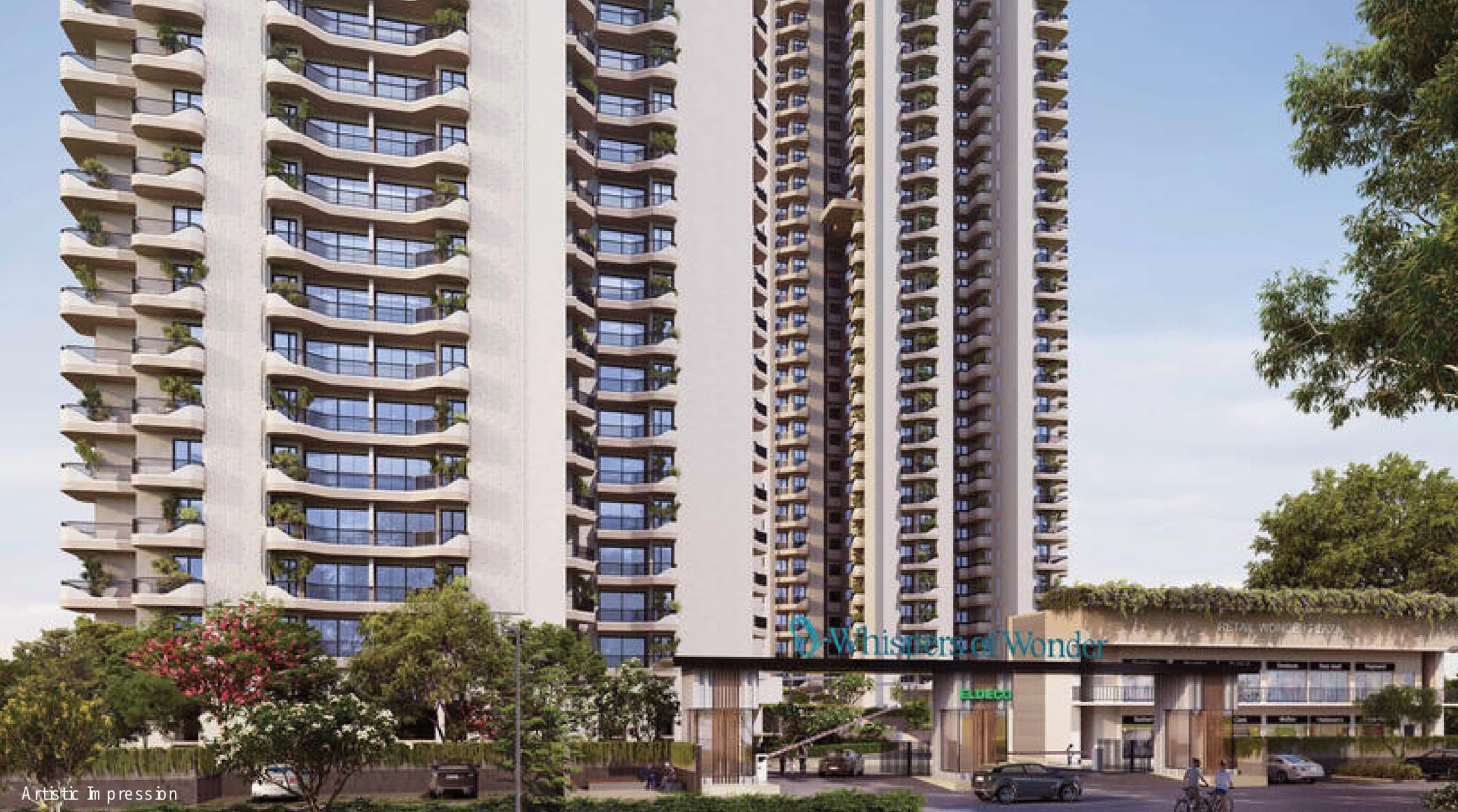
Eldeco Echoes Of Eden
Sector 22D, Yamuna Expressway
₹9,300/sqft
 Newly Launched
Arihant Seasons
Sector 22D, Yamuna Expressway
₹9,000/sqft
 Newly Launched
VVIP Yamuna
Sector 22D, Yamuna Expressway
₹9,000/sqft
 Newly Launched
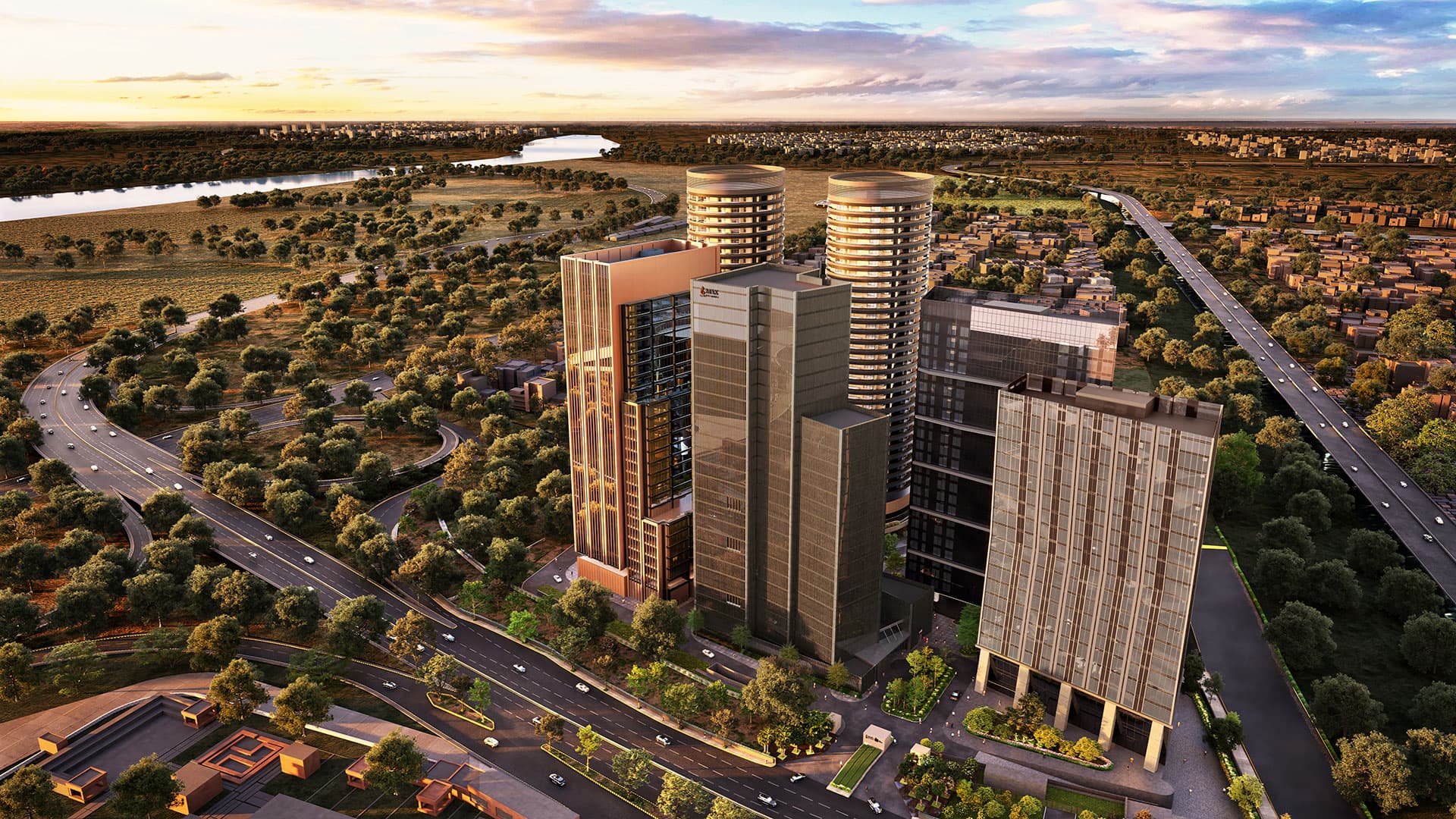
Max One
Sector 16B, Noida
₹38,000/sqft
 Newly Launched
Eldeco 7 Peaks Residences
Sector Omicron 1A, Greater Noida
₹13,000/sqft
 Newly Launched
Experion Saatori
Sector 151, Noida
₹16,500/sqft
Kaveri City Centre-2 Land Details
Showing 1 blocks with 699 units
Property Summary
Total Carpet Area
13632.84 m²
146742.53 ft²
Total Units
693
3 different types
Blocks & Floors
1
23 floors across all blocks
Parking
0
0 garages, 0 open
Block Commercial Tower
699 unitsKaveri City Centre-2 Documents
Allotment Letter issued by Competent Authority
No: Affidavit for Land Dues No Escrow in Separate Bank Account | Date:
Allotment Letter issued by Competent Authority
No: Letter with Affidavit Land Dues GNIDA | Date:
Allotment Letter issued by Competent Authority
No: Affidavit for Land Dues Installment Kaveri City Centre-2 | Date:
Kaveri City Centre-2 Permits
Kaveri City Centre-2 Basic Details
Kaveri City Centre-2 Bank Details
Kaveri City Centre-2 Khasra Details
Total Area
4800.00 m²
51666.72 ft²
Kaveri City Centre-2 Project Team
Kaveri City Centre-2 Development Works
Demarcation of Plots
The project land comprises an irregular quadrilateral plot bounded by four sides measuring 79.97 meters, 60.14 meters, 80.00 meters, and 59.86 meters respectively. Based on the average of the opposite sides, the approximate plot dimensions are 79.99 meters x 60.00 meters, and the total land area is approximately 4,800 square meters.
Boundary Wall
The boundary wall consists of a 230 mm thick brick masonry wall constructed over a suitable foundation. The masonry portion attains a height of 900 mm above the finished ground level. Atop the brick wall, a 1100 mm high metal railing is securely fixed, providing a combined overall height of 2000 mm for the wall and railing assembly. A protective coping layer is provided at the top of the brick wall to ensure durability, prevent water ingress, and offer a stable base for railing installation.
Road Work
The internal roads comprise a 7.0 m wide carriageway along the front side of the plot and 6.0 m wide carriageways along the remaining three sides. The main carriageway is designed with a 2.5 percent cross-fall for surface drainage, and footpaths on both sides with a 3 percent slope. The pavement structure consists of asphalt layers over, base, and sub-base courses. Reinforced concrete service ducts are provided beneath the footpaths and along the road edges to carry electrical, water supply, sewerage, and telecommunications services. Street lighting poles are provided along both sides of the roads.
Footpaths
Footpaths are provided on both sides of the internal roads with a 3 percent slope for drainage, constructed using interlocking concrete paver blocks over a compacted sand bed and granular sub-base, with concrete kerb stones along the road edge.
Water Supply Including Drinking Water Facilities
Municipal or borewell water supply will be used to fill the underground water tank (UGT- 4 Nos., each of size 6.8 x 3.63 x 2.05m, with a total storage capacity of 200 KL). The water will then be treated in the WTP and STP and pumped to the overhead tank, from where it will be supplied through a gravity system.
Sewer System
Soil and wastewater from toilets and kitchens will be collected through vertical pipes in the plumbing shaft and conveyed through 200 mm diameter pipes to the external sewerage system, with manholes of size 800 x 900 x 1400 mm provided at appropriate intervals, from where it will be conveyed to the Sewage Treatment Plan (STP).
Drain
Rainwater from the terrace and open areas will be collected through vertical rainwater pipes and conveyed through 300 mm diameter stormwater pipes (total length 174 m) to the external stormwater drainage system, with 12 Nos. of manholes of size 800 x 900 x 1300 mm provided at suitable intervals. The external stormwater system will carry all rainwater from the premises and direct it to the rainwater harvesting system for groundwater recharge.
Parks
The open area of the plot, calculated by subtracting the ground coverage (1915.21 sq. m) from the total plot area- (4800.00 square metres), is 2884.79 sq. m. As per the requirement of 25 percent of the open area, the minimum green area required is 721.19 sq. m. The proposed site plan provides 729.38 sq. m. of green area, exceeding the requirement and complying with applicable planning standards.
Tree Planting
The project provides 32 evergreen trees on the open area of 2884.79 sq. m, exceeding the required 29 trees. The includes 12 Cassia Fistula (5 m spacing) and 20 Delonix Regia, ensuring compliance with regulatory standards and enhancing site aesthetics.
Design For Electric Supply Including Street Lighting
The electrical supply system is designed to ensure reliable and efficient power distribution throughout the premises. Power from the utility source is received through an HT metering system, which shall be in the scope of the State Electricity Board, and stepped down through 2 Nos. transformers of 1600 kVA capacity each. The LT supply shall be distributed through LT cables from the LT panel to the meter boards, from the meter boards to each floor, and further from the meter boards to individuals tenants, through appropriately rated cables, panels, and protection devices. Provision is made for backup power through DG sets of capacity 1 No. 2250 kVA and 1 No. 1010 kVA, ensuring uninterrupted power supply to essential and critical loads. Street lighting is integrated into the electrical network, using energy-efficient LED fixtures with timer - or sensor-based controls to ensure proper illumination of roads and pathways while optimizing energy consumption.
Community Buildings
NA
Treatment and Disposal System of Sewage and Sullage water
In Sewage Treatment Plants (STP) of 240 KLD capacity , the wastewater undergoes primary, secondary, and tertiary treatment processes to remove solids, organic matter and impurities. The treated water is then reused for non-potable applications such as flushing, gardening, and landscaping, while excess treated water is safely discharged as per regulatory norms. Sludge generated from the treatment process is dewatered and disposed of in an environmentally safe manner. The System ensures hygienic handling, effective treatment, and sustainable reuse of wastewater.
Solid Waste Management And Disposal System
Solid waste generated from residential and commercial areas is segregated at the source into biodegradable and non-biodegradable waste. Biodegradable waste is collected and sent for composting or processing through an organic waste converter, with the facility provided over an area of 30 sq.m, producing manure for landscaping use. Recyclable waste is handed over to authorized recyclers, while non-recyclable inert waste is transported to a municipal disposal facility as per local regulations. The system ensures proper collection, segregation, storage, and environmentally safe disposal of all types of solid waste, promoting hygiene, sustainability, and compliance with waste management guidelines.
Water Conservation System
The water conservation system incorporates measures to reduce water consumption and promote sustainable use of resources. Low- flow fixtures, dual-flush toilets, and efficient plumbing fittings are used to minimize water wastage. Rainwater harvesting (RWH) systems of 40 cum capacity collect and store runoff from roofs and open areas for groundwater recharge or non- potable use. Treated wastewater from the STP is reused for flushing, gardening, and landscaping, reducing dependence on freshwater sources. These measures collectively ensure efficient water management and long-term conservation of water resources.
Energy Management System Including Use of Renewable Energy
The energy management system is designed to ensure efficient use, monitoring and control of electrical energy within the premises. Energy-efficient equipment, LED lighting, and smart controls are implemented to reduce overall power consumption. Renewable energy sources, particularly rooftop solar photovoltaic (PV) systems, are integrated to supplement the grid supply and lower dependence on conventional power. As part of the sustainability measures, 20 percent of the total external pole lighting is proposed to be powered through solar lighting systems, and solar PV module panels equivalent to 1 percent of the total demand load are provided. The system includes energy meters and monitoring tools to track usage, identify inefficiencies, and optimize performance. Overall, the design promotes sustainability, reduces operating costs, and supports clean energy utilization.
Fire Protection And Fire Safety System
The fire protection and safety system is designed to ensure early detection, quick response, and effective control of fire emergencies. A fully automatic addressable fire alarm will be provided, comprising smoke detectors, heat detectors, and manual call points connected to a central fire alarm panel. Firefighting systems consist of fire hydrants (79Nos.), hose reels, sprinkler systems, and portable fire extinguishers placed at strategic locations. supported by a fire water tank of 350 KL capacity to ensure adequate water supply during emergencies. Emergency exits, illuminated signages, and fire-rated doors facilitate safe evacuation. The system complies with relevant fire safety norms and ensures adequate protection of life and property through prevention, detection, suppression, and safe evacuation measures.
Social Infrastructure And Other Public Amenities Including Public Health Services
The project includes open areas/plaza, internal roads, footpaths, street lighting, utility services, and provisions for public health services in accordance with applicable norms.
Emergency Evacuation Services
Emergency evacuation services are designed to ensure the safe and timely exit of occupants during emergencies such as fire, earthquake, or other hazards. All staircases shall be used as fire staircases in case of fire. The system includes well-marked and illuminated emergency exits, evacuation routes, staircases, and assembly points. Public address systems and alarm signals provide guidance and instructions during an emergency. One fire hydrant shall be provided in each Fire Hose cabinet (FHC). Sprinkler systems are provided for fire protection, with upper floors designed at a coverage of 12 sq. mt. per sprinkler and basements at a coverage of 9 sq. mt. per sprinkler. Regular drills and training programs are conducted to familiarize occupants with evacuation procedures. The service ensures organized, efficient, and safe evacuation, minimizing risk to life and facilitating emergency response operations.
Other Miscellaneous Work
The project includes a guard room, signage, and other necessary works for proper functioning. A centralized addressable fire alarm system will be provided, signage will be illuminated as per NBC, and centralized CCTV monitoring form the CCTV room will ensure security and surveillance of the premises.
Kaveri City Centre-2 Other Details
Kaveri City Centre-2 Frequently Asked Questions
Where is Kaveri City Centre-2 located?
Kaveri City Centre-2 is located in Gautam Buddha Nagar.
Is Kaveri City Centre-2 RERA registered? What is the RERA number of Kaveri City Centre-2?
Yes. Kaveri City Centre-2 is registered under UPRERAPRJ360269/03/2026 with the Uttar Pradesh RERA (UP-RERA), ensuring transparency and buyer protection.
What is the possession timeline as per RERA?
As per the RERA filing, the expected possession date for Kaveri City Centre-2 is 7 January 2031.
Who is the developer behind Kaveri City Centre-2?
Kaveri City Centre-2 is developed by KAVERI ELITE INFRA DEVELOPERS PRIVATE LIMITED.
Are home loan facilities available?
Yes, home loan facilities are available from most major banks. You can compare interest rates and check your eligibility through our home loan services.